































































If you're planning to start a business in Dubai, you'll face this big question: freezone vs mainland Dubai. Both options come with their own pros, cons, and challenges. Making the right choice means knowing the real differences between getting a mainland license Dubai and setting up in a freezone. Here's a straightforward breakdown based on real-world experience, no overcomplicated terms, just practical facts and a few thoughtful tips.
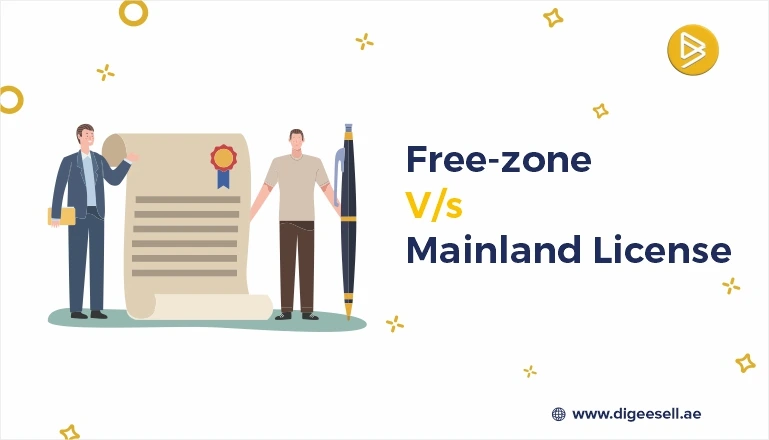
If you are an international investor, freezones seem designed just for you. You get full ownership without needing a local partner. They also come with perks like tax breaks and easier procedures. In contrast, a mainland license Dubai offers one major advantage. You can operate anywhere across the UAE instead of being limited to an economic zone. For many industries, this changes everything.
Holding a mainland license Dubai lets your business work without any geographical restrictions in the UAE. Your operations aren't limited to specific zones. Want to set up branches in Abu Dhabi or Sharjah? You’re free to do so. This license also gives you the ability to interact with government organisations and even compete for public sector projects. That’s a big advantage for industries like consulting, construction, or logistics.
There’s a downside, though. The regulatory process is tougher. Securing and keeping your mainland license Dubai involves meeting compliance standards and following specific steps. Still, many business owners say the ability to serve the whole UAE makes the effort worth it.
Know more: Real Estate Marketing in Dubai
The Dubai mainland license cost does not come with a fixed price tag. It depends on things like business type, trade category, and size. Starting costs begin at AED 8,000, but they can go higher. For small or medium businesses, typical expenses range from AED 12,000 to AED 25,000. These costs cover the trade license, company registration, and sometimes even office space. Having a physical office is mandatory for mainland businesses. If you are setting up something specialised, like a medical clinic or an engineering firm, the charges might be higher.
Keep in mind that you need to include extras. Employee visas, yearly renewals, and office rent will raise the overall cost.
Freezones showcase their strength in cost efficiency. The Dubai freezone license cost tends to be lower for straightforward businesses. Basic packages can start as low as AED 5,500, sometimes even including a desk or flexible office setup. On average, freezone fees range between AED 10,000 and AED 15,000, covering registration and license issuance. In many cases, a simple smart desk is all you need, and no big office is required.
Costs can climb if you add things like extra visas, bigger storage facilities, or additional activities. It’s smart to plan ahead. If you want to trade outside the freezone, you will need a local distributor or agent.
Know more: Arabic SEO vs. English SEO in the UAE: Key Differences That Affect Rankings
Here’s where the decision becomes important:
Both options need renewals every year, require compliance, and need a registered office space. Freezone offices, though, can often be shared or even virtual.
New business founders keep asking one thing: where can they start for the least cost? In 2025, Ajman, Sharjah, and even some places in Dubai, such as IFZA and Meydan Freezone, will be offering very competitive options. Some packages claim to start at just AED 5,750 without a visa. However, be careful. Extra costs or limits, like one shareholder or activity restrictions, could show up later.
Know more: Optimizing URL Slugs for Better SEO: A Complete Guide
To gain visibility in the UAE, secure big deals, or build connections with the government, choose a mainland license Dubai. If saving costs owning your business fully, or focusing on global markets or e-commerce sounds better, go for a free zone.
Start-up checklist:
Recent Blogs:
Your satisfaction is our priority; feel free to inquire about any aspect of our best digital marketing service in UAE, and we'll be glad to assist you.
Request a Call Back